
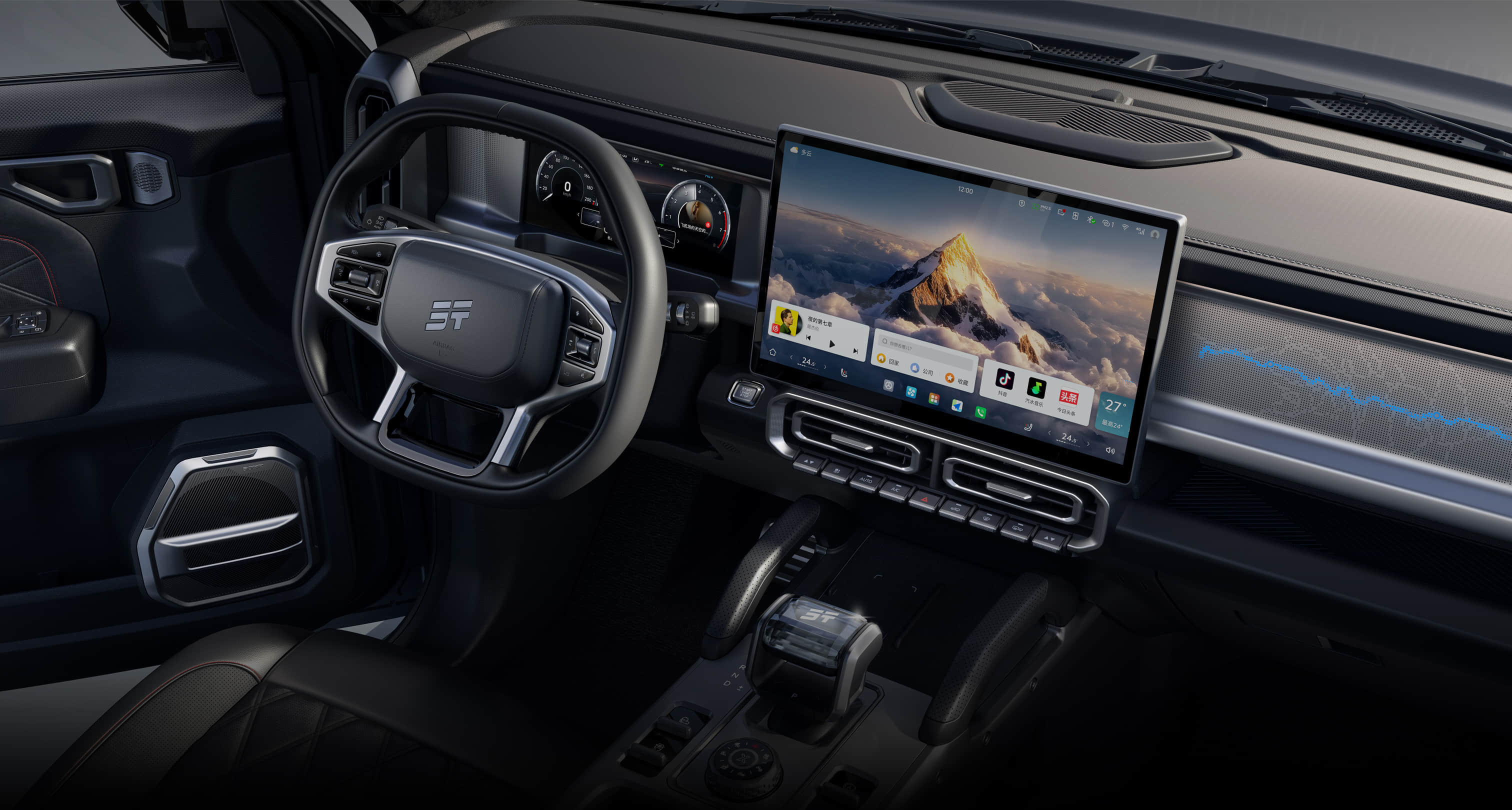
For driver-assistance identity and calibration, first define what a pass looks like. Then compare the actual vehicle with that standard using documents, inspection media and destination advice.
Decide driver-assistance identity and calibration
Begin with the exact market, year and trim because Jetour lists driver-assistance equipment by configuration rather than as one universal T2 package. Inventory visible cameras, radar units, parking sensors and their controls, then reconcile them with the build evidence and diagnostic identity. The absence of a warning lamp does not prove that a feature is fitted, enabled or correctly aimed.
Evidence for driver-assistance identity and calibration
Inspect the windscreen around the camera, bumpers, grille, mirror housing, brackets, wheel alignment and tyre specification. Run a complete scan for communication, calibration and plausibility faults. If glass, bumper, suspension or structural work is recorded, request the relevant calibration report and verify that the equipment and procedure match the candidate. Conduct functional checks only in safe, controlled conditions.
Export and ownership exposure
A replaced windscreen or repaired bumper can leave a sensor physically present but misaligned. Wheel-size changes, unequal tyres and poor alignment can affect systems that depend on vehicle-path data. Feature availability may also differ by country or software region, so an icon or translated listing should not become a contractual promise. ADAS remains assistance, not a substitute for the driver.
Apply the decision to a real candidate
A high-trim candidate with a new windscreen but no calibration invoice should remain on hold even when lane markings appear in the display. Confirm the camera bracket, scan status and calibration history, then commission a correct static or dynamic procedure where required. A lower trim should be described by verified fitted equipment, not marked defective for lacking an optional function.
Build the VIN-linked record
Keep one dated decision log. Each entry should identify the source, vehicle, finding and next action for exact trim equipment, sensor and bracket condition, windscreen and bumper history. Attach commercial evidence separately so technical acceptance is not rewritten by negotiation.
Common approval mistakes
The common shortcut is treating a model-level fact as candidate proof. Verify exact trim equipment physically and on records, qualify wheel alignment and tyres by destination, and exclude any unconfirmed feature from the value calculation.
Close the decision
Before this file advances, reconcile exact trim equipment with the vehicle and its documents, and price any unresolved windscreen and bumper history consequence. Record who controls calibration record after arrival. If the answer exists only in an informal message, move it into the dated approval record or leave the candidate on hold.
Independent review for driver-assistance identity and calibration
A broker, technician and owner should be able to reach the same identity conclusion even if they value the vehicle differently. Give each person the material relevant to sensor and bracket condition, diagnostic scan and windscreen and bumper history. Reconcile terminology before contract wording is final.
Arrival controls for driver-assistance identity and calibration
Before departure, name the person who will check wheel alignment and tyres and the budget holder for calibration record. At destination, compare the odometer, warning state, body and included items with the loading report before custody changes again.
Verify Jetour T2 ADAS Sensors and Calibration: approval checklist
Mark each item confirmed, unresolved or rejected and retain its evidence under the candidate VIN.
- Exact trim equipment
- Sensor and bracket condition
- Windscreen and bumper history
- Wheel alignment and tyres
- Diagnostic scan
- Calibration record
Primary references
These manufacturer pages establish context; actual specifications remain market-, year- and VIN-dependent.
Official Jetour Global T2 specifications ↗Official Jetour T2 model page ↗Buyer questions about driver-assistance identity and calibration
Does every T2 have the same ADAS package?
No. Official specifications show equipment differences by configuration.
Is no warning light proof of calibration?
No. Inspect, scan and review calibration evidence.
Should ADAS be tested on public roads?
Only lawful, safe functional checks should be performed by competent personnel.