
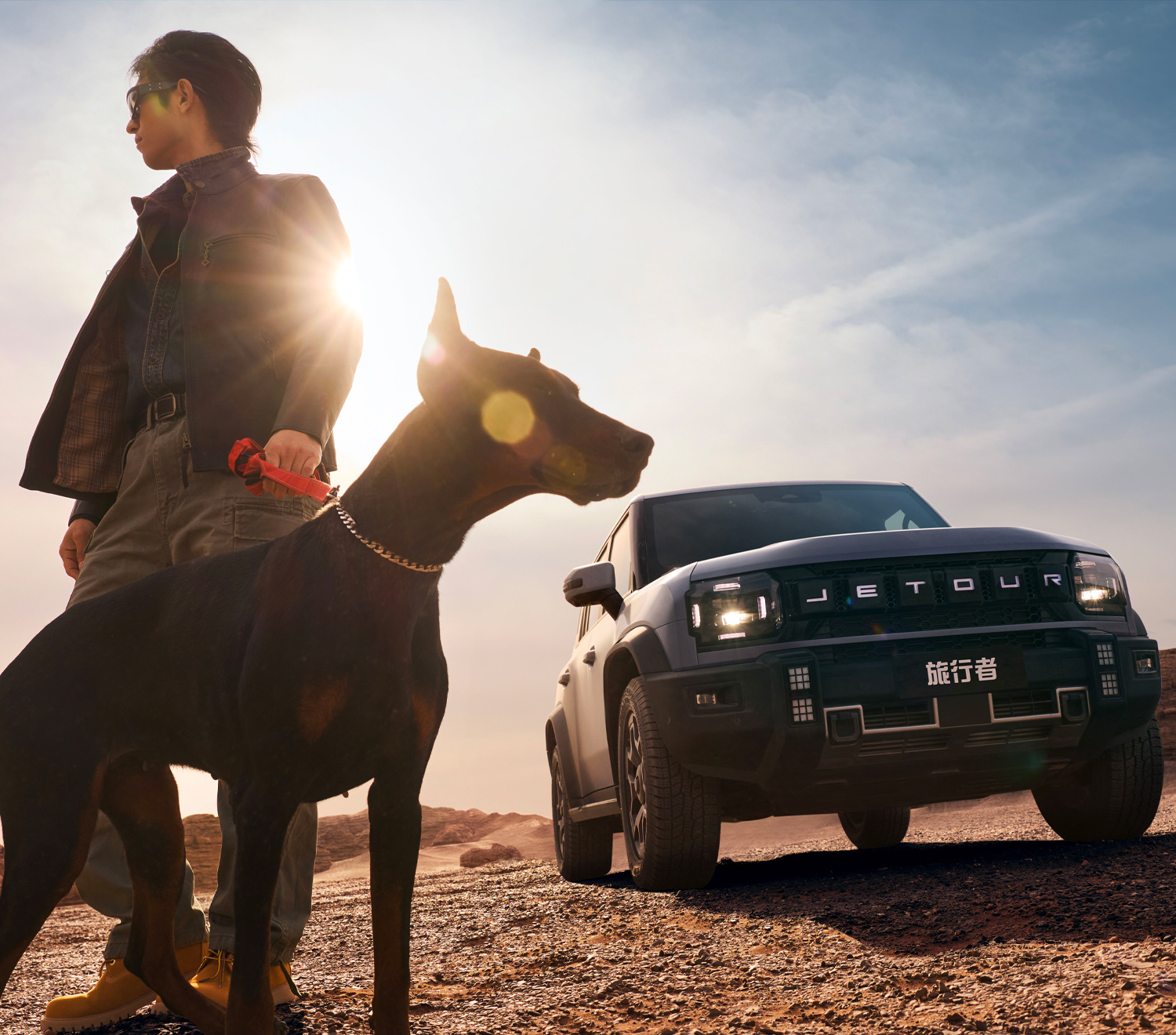
Verify the T2-versus-Tank-300 decision without relying on model reputation or a seller's general description. Every conclusion should survive a change of reviewer.
Decide the T2-versus-Tank-300 decision
Compare exact market versions. The T2/Traveller and Tank 300 have different product positioning and version families; body style alone does not make their drivetrains, off-road systems or ownership support equivalent.
Evidence for the T2-versus-Tank-300 decision
Use VIN-specific specifications, inspection reports and matched landed-cost worksheets. Record passenger use, luggage, terrain, towing, fuel, tyres, safety and workshop access.
Export and ownership exposure
Brand reputation and promotional off-road imagery can overpower evidence. A newer vehicle with weak destination support may be a worse ownership choice than an older, well-supported candidate.
Apply the decision to a real candidate
Build matched candidate pairs at the same registered-and-ready budget. Weight verified condition, task fit, parts, diagnostics, fuel, comfort, safety and resale according to the destination.
Build the VIN-linked record
The approval record should show what established exact variants, who reviewed construction and 4wd and which evidence supports cabin task. List missing material explicitly; silence in a report is not a passed test.
Common approval mistakes
Avoid combining different years, markets or powertrains in one informal comparison. Do not turn “not checked” into “working,” and do not let a discount close uncertainty about inspected condition or landed total.
Close the decision
Finish the T2-versus-Tank-300 decision with a pass, hold or reject status. A hold must name the next action for construction and 4wd or inspected condition; a rejection should preserve the reason so the next shortlist does not repeat it. Approval means the buyer has consciously accepted any remaining limits, not that every uncertainty disappeared.
Independent review for the T2-versus-Tank-300 decision
Ask a workshop to price the consequence of a failed construction and 4wd check. Ask the destination adviser how inspected condition affects release or registration. Finally, confirm with the buyer whether parts support meets the intended job. These answers give the T2-versus-Tank-300 decision a practical rather than promotional boundary.
Arrival controls for the T2-versus-Tank-300 decision
The arrival checklist should repeat only the high-impact items: identity, loading condition, warning status, keys and the evidence behind cabin task. Complete the first service or conformity action before demanding use, and update the candidate file with actual landed total expenditure.
Set a documented release boundary
Turn the T2-versus-Tank-300 decision into a release decision with three states: confirmed, unresolved or rejected. For every confirmed item, retain the source and date under the VIN. For every unresolved item, name the exact document, photograph, diagnostic result, measurement or destination opinion still required, together with the person responsible and a deadline before payment or loading. Keep technical condition separate from the quotation so a price change cannot silently erase a safety, identity or compliance concern.
Before authorising shipment, repeat the high-impact evidence for exact variants, construction and 4wd, cabin task and reconcile it with the contract description. Confirm who controls parts support, inspected condition, landed total after arrival and include any known cost in the landed budget. If the vehicle, seller, mileage, software state or delivery boundary changes, reopen the affected checks instead of carrying an earlier approval forward.
Jetour T2 vs Tank 300: Import Buyer Comparison: approval checklist
Mark each item confirmed, unresolved or rejected and retain its evidence under the candidate VIN.
- Exact variants
- Construction and 4WD
- Cabin task
- Parts support
- Inspected condition
- Landed total
Buyer questions about the T2-versus-Tank-300 decision
Which is more capable off road?
It depends on exact drivetrain hardware, tyres, condition, terrain and driver requirements.
Which is cheaper to import?
Compare dated VIN-specific landed totals rather than model-level prices.
Does Tank 300 always have better support?
Support varies by country, network and exact powertrain.