
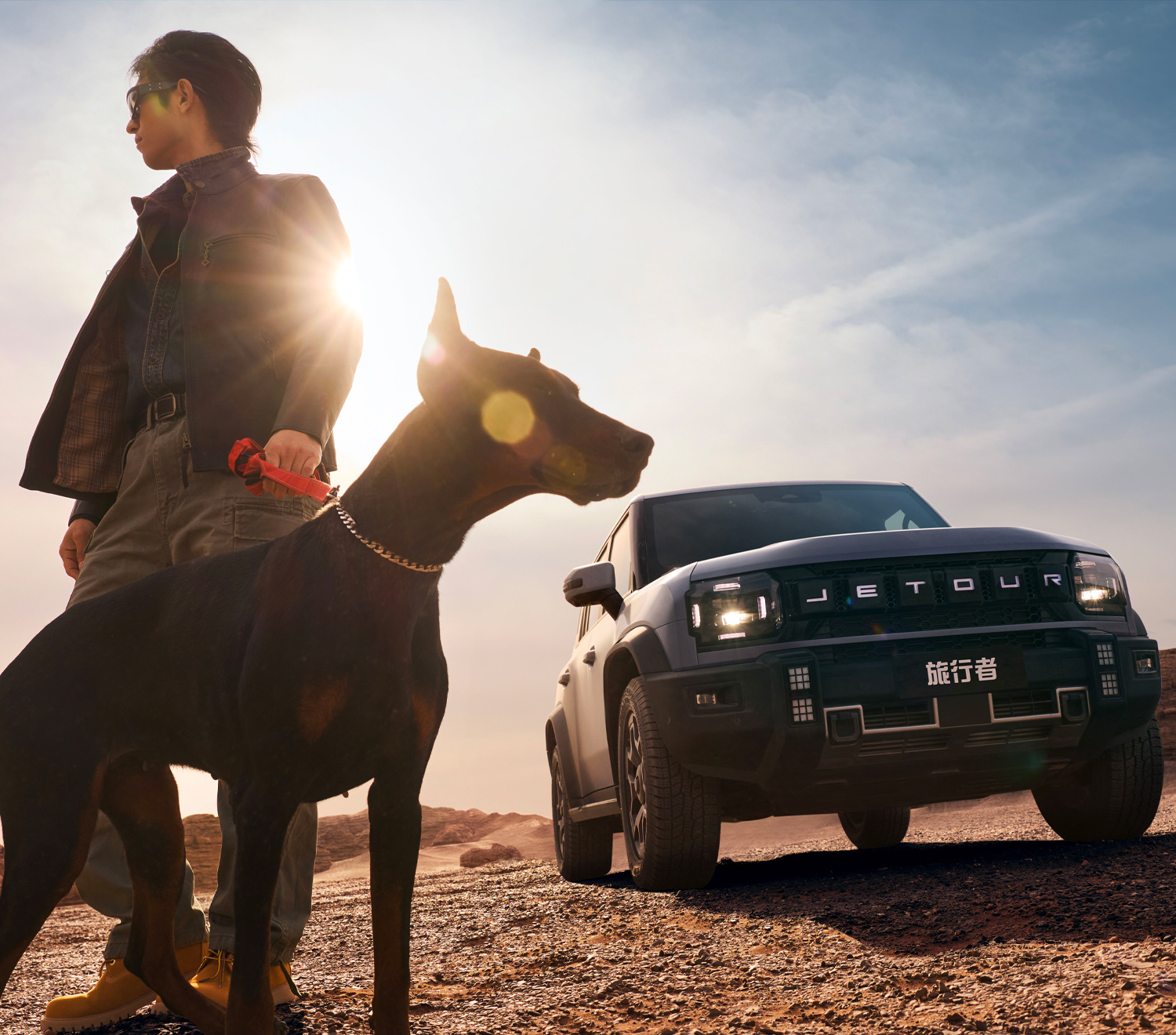
Use the actual Jetour T2 or Traveller cabin, passengers and equipment to judge everyday and camping practicality. Published dimensions screen candidates; measured openings, occupied-seat space and payload determine whether the configuration works.
Define passengers and regular luggage
Official Traveller material promotes flexible storage, a foldable load area and outdoor-use features, but it does not make one universal luggage-volume promise for every T2-family version. Begin with the actual passengers and equipment: child seats, suitcases, pushchair, recovery gear, refrigerator, sleeping equipment or work cases. Cross-check body and wheelbase identity in the market-specific specification guide before measuring. If sleeping space moves onto the roof, check the rack, roof-tent load and access requirements before treating the boot as free cargo space. For family use, perform a child-seat fitting and caregiver-access trial with normal front-seat positions before judging the cabin by width alone.
Measure the actual load area
Measure tailgate opening, height, floor width between wheel arches, usable depth with the rear seats occupied, seat-folded length and any step or slope in the load floor. Record where the spare, tools, charging cable and emergency equipment live. Fit the required child seats and check door access, front-seat clearance, centre-seat use, ventilation and visibility. Photograph a representative load under the candidate VIN rather than relying on an empty press image.
Control camping accessory risk
Camping accessories change mass, centre of gravity, airflow, parking height and sometimes legal classification. Roof tents, awnings, auxiliary batteries, refrigerators and water may consume payload quickly; loose equipment can become a safety hazard. Confirm roof and attachment limits from applicable vehicle documents and accessory instructions. A tailgate table or flat-looking floor is not proof that sleeping, cooking or carrying fuel inside is safe or permitted.
Test two real load plans
Write two load plans: normal family week and heaviest intended trip. List occupants, luggage and installed accessories with estimated mass and position, then compare them with verified vehicle limits. Price required storage systems separately and test whether they block rear vision, restraint points or access. If the trip includes a trailer, continue with the towing and payload guide before approving the configuration.
Build the VIN-linked record
Keep one dated decision log. Each entry should identify the source, vehicle, finding and next action for exact body version, passenger layout, measured load space. Attach commercial evidence separately so technical acceptance is not rewritten by negotiation.
Common approval mistakes
The common shortcut is treating a model-level fact as candidate proof. Verify exact body version physically and on records, qualify child-seat fit by destination, and exclude any unconfirmed feature from the value calculation.
Close the decision
Before this file advances, reconcile exact body version with the vehicle and its documents, and price any unresolved measured load space consequence. Record who controls payload margin after arrival. If the answer exists only in an informal message, move it into the dated approval record or leave the candidate on hold.
Independent review for family, luggage and camping practicality
A broker, technician and owner should be able to reach the same identity conclusion even if they value the vehicle differently. Give each person the material relevant to passenger layout, accessory mass and measured load space. Reconcile terminology before contract wording is final.
Arrival controls for family, luggage and camping practicality
Before departure, name the person who will check child-seat fit and the budget holder for payload margin. At destination, compare the odometer, warning state, body and included items with the loading report before custody changes again.
Jetour T2 / Traveller Boot Space, Family and Camping Guide: approval checklist
Mark each item confirmed, unresolved or rejected and retain its evidence under the candidate VIN.
- Exact body version
- Passenger layout
- Measured load space
- Child-seat fit
- Accessory mass
- Payload margin
Primary references
These manufacturer pages establish context; actual specifications remain market-, year- and VIN-dependent.
Official Jetour Global T2 page ↗Official 2026 China Traveller page ↗Buyer questions about family, luggage and camping practicality
How much boot space does a Jetour T2 have?
Use the official sheet for the exact market and then measure the candidate; load-floor shape, spare and seat position affect usable space.
Can two adults sleep inside?
Only after measuring the actual folded-seat length, width, floor shape, ventilation and safe load arrangement for that version.
Is a roof tent automatically suitable?
No. Confirm roof-load limits, attachment method, total mass, vehicle height, handling and destination legality.