
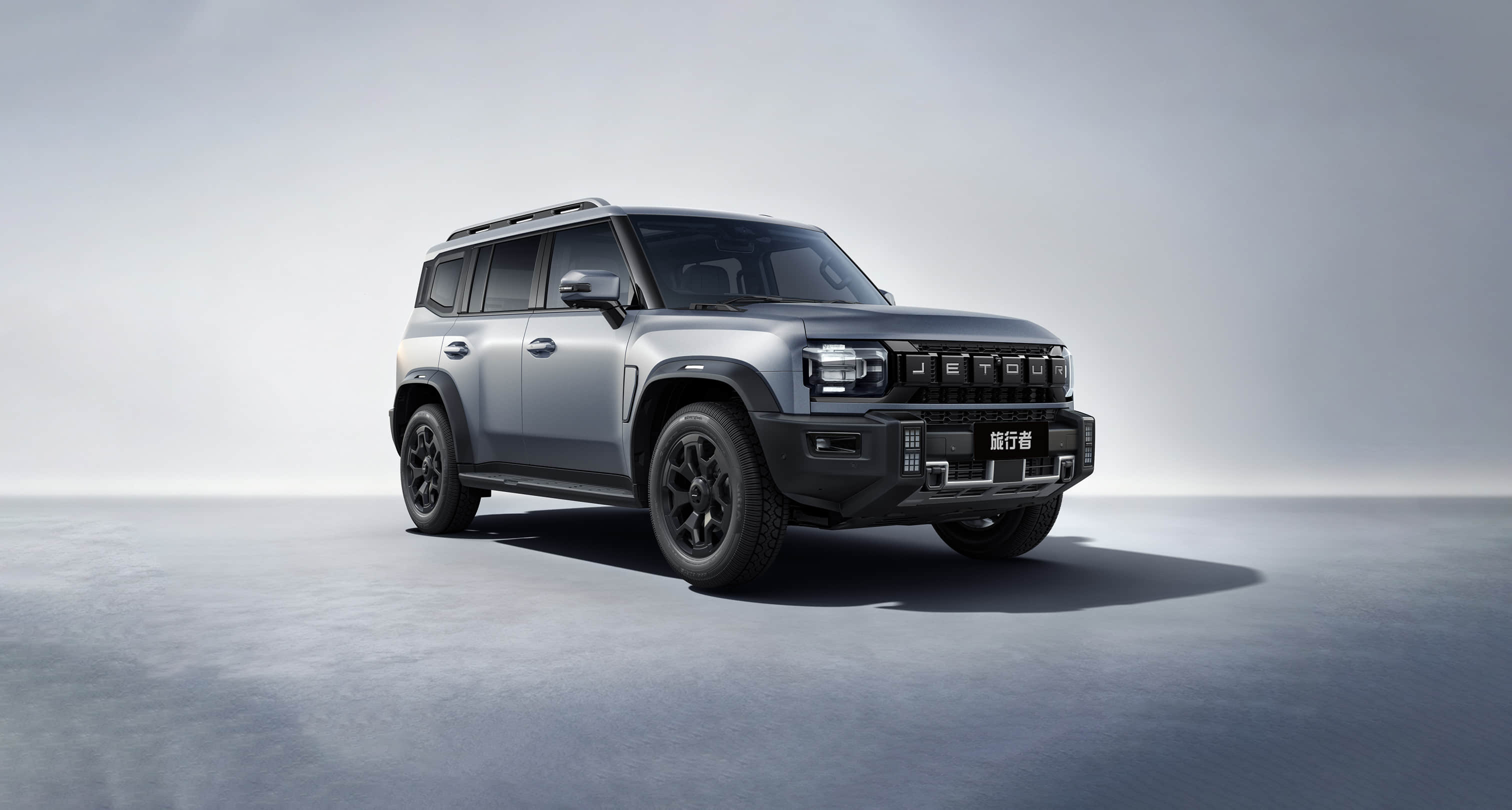
Treat Jetour T2 towing as a documented vehicle-and-trailer system. Verify homologated limits, loaded weights, towbar approval, cooling and brakes before using 4WD reputation or a seller’s capacity claim.
Verify legal towing approval
Do not select a tow vehicle from a marketplace claim or the model silhouette. Obtain the exact market’s homologation, registration or manufacturer document showing whether towing is approved and, where applicable, braked and unbraked trailer limits, gross vehicle mass, gross combination mass and axle limits. Absence of a published number is not permission to invent one. Identify powertrain, drivetrain, cooling package, tyres and towbar approval before discussing capability.
Inspect weights, towbar and condition
Photograph the rating plates, registration fields, towbar label, mounting points, wiring, connector, tyres, spare and rear suspension. Inspect a used vehicle for previous hitch installation, rear-structure repair, overheated fluids, abnormal transmission behaviour and brake wear. Weigh the loaded vehicle when practical. Payload includes occupants, luggage, accessories and trailer nose load; the family and camping load plan helps expose mass that is often omitted.
Apply destination trailer rules
Destination law may control licence class, trailer registration, brake requirements, lighting, mirrors, speed, breakaway equipment and maximum dimensions. A towbar sold for a related Traveller or T2 version may not be approved for the candidate or country. Towing can increase engine, transmission, cooling, brake and tyre demand, while off-road trailer use adds articulation and recovery risks. Check the 4WD and off-road guide separately from legal tow approval.
Build a complete weight worksheet
Define the trailer’s actual maximum loaded mass, nose load, frontal area, route, gradients, temperature and surface. Build a weight worksheet for vehicle, occupants, cargo, accessories and trailer, then compare every result with verified limits rather than one headline capacity. Confirm insurance, installation responsibility, pre-trip checks and severe-service maintenance with the destination workshop. Reject the plan if a required limit or approved mounting route remains unknown.
Build the VIN-linked record
Create a working sheet headed by Tow approval documents, Vehicle weight limits and Trailer loaded mass. Place the source and date beside each result, then link photographs, documents and tests to the VIN. Keep Approved towbar and wiring and Cooling/brake condition as open actions until a named person confirms them.
Common approval mistakes
Do not approve towing, payload and trailer compatibility from a translated trim name, an undated listing or equipment borrowed from another market. The most expensive error here is carrying an unresolved destination rules assumption into payment or shipping.
Close the decision
Approve towing, payload and trailer compatibility only after the file shows who verified tow approval documents, vehicle weight limits and trailer loaded mass. Give unresolved approved towbar and wiring or cooling/brake condition a named owner and deadline. If the missing evidence can change legality, safety or total cost, hold payment rather than treating the seller description as confirmation.
Independent review for towing, payload and trailer compatibility
Have the destination workshop review vehicle weight limits and trailer loaded mass, while the customs adviser checks tow approval documents and cooling/brake condition. The driver should judge approved towbar and wiring against actual routes and loads. Record disagreements before the vehicle leaves China; each reviewer sees a different part of towing, payload and trailer compatibility.
Arrival controls for towing, payload and trailer compatibility
At handover, preserve the evidence for tow approval documents and photograph the accepted condition. On arrival, verify approved towbar and wiring before routine use and retain funds for destination rules. Give the workshop the pre-shipment scan and exact version record so later faults are not confused with shipping or destination work.
Jetour T2 / Traveller Towing, Payload and Trailer Guide: approval checklist
Mark each item confirmed, unresolved or rejected and retain its evidence under the candidate VIN.
- Tow approval documents
- Vehicle weight limits
- Trailer loaded mass
- Approved towbar and wiring
- Cooling/brake condition
- Destination rules
Primary references
These manufacturer pages establish context; actual specifications remain market-, year- and VIN-dependent.
Official Jetour Global T2 page ↗Official 2026 China Traveller page ↗Buyer questions about towing, payload and trailer compatibility
What is the Jetour T2 towing capacity?
Use the exact market and version’s homologation or registration data. Do not transfer a figure from another T2, Traveller or seller listing.
Does payload include trailer nose weight?
Normally the nose load acts on the vehicle and consumes available payload, but verify the applicable definitions and limits.
Is 4WD enough for towing off road?
No. Legal tow approval, mass, tyres, cooling, brakes, towbar geometry, terrain and recovery planning all matter.