
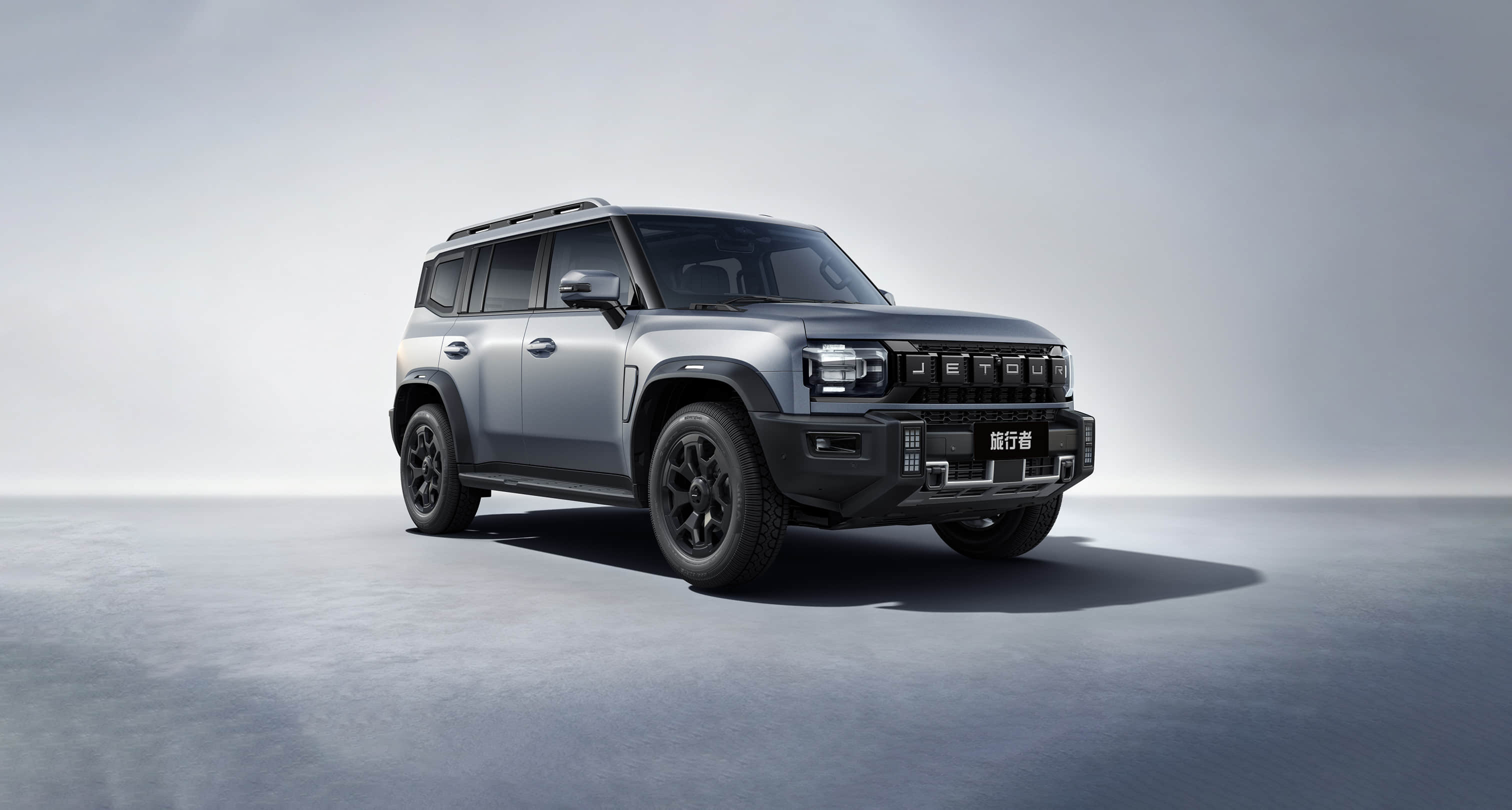
Verify four-wheel-drive task suitability without relying on model reputation or a seller's general description. Every conclusion should survive a change of reviewer.
Decide four-wheel-drive task suitability
Four-wheel drive is version-dependent. Identify driven wheels, coupling or differential hardware, terrain controls, tyre size and factory protection. Marketing demonstrations do not certify one candidate.
Evidence for four-wheel-drive task suitability
Photograph controls and underbody components, scan relevant modules and test engagement only on a suitable surface. Measure actual ground clearance where modifications or loads matter.
Export and ownership exposure
Large wheels with highway tyres, poor alignment or cosmetic protection can undermine trail use. Lifts and non-standard offsets may affect steering, bearings, driveline angles, stability and legality. For wet routes, add the water-wading and recovery checks.
Apply the decision to a real candidate
Write the real mission: paved touring, sand, mud, rocky tracks, towing or remote recovery. Select tyres, protection and recovery points for that role rather than buying every visible accessory. When the mission includes a trailer or heavy accessories, complete the towing and payload worksheet as a separate approval path.
Build the VIN-linked record
The approval record should show what established driven wheels, who reviewed 4wd controls and which evidence supports tyres and spare. List missing material explicitly; silence in a report is not a passed test.
Common approval mistakes
Avoid combining different years, markets or powertrains in one informal comparison. Do not turn “not checked” into “working,” and do not let a discount close uncertainty about modification geometry or recovery plan.
Close the decision
Finish four-wheel-drive task suitability with a pass, hold or reject status. A hold must name the next action for 4wd controls or modification geometry; a rejection should preserve the reason so the next shortlist does not repeat it. Approval means the buyer has consciously accepted any remaining limits, not that every uncertainty disappeared.
Independent review for four-wheel-drive task suitability
Ask a workshop to price the consequence of a failed 4wd controls check. Ask the destination adviser how modification geometry affects release or registration. Finally, confirm with the buyer whether underbody protection meets the intended job. These answers give four-wheel-drive task suitability a practical rather than promotional boundary.
Arrival controls for four-wheel-drive task suitability
The arrival checklist should repeat only the high-impact items: identity, loading condition, warning status, keys and the evidence behind tyres and spare. Complete the first service or conformity action before demanding use, and update the candidate file with actual recovery plan expenditure.
Set a documented release boundary
Turn four-wheel-drive task suitability into a release decision with three states: confirmed, unresolved or rejected. For every confirmed item, retain the source and date under the VIN. For every unresolved item, name the exact document, photograph, diagnostic result, measurement or destination opinion still required, together with the person responsible and a deadline before payment or loading. Keep technical condition separate from the quotation so a price change cannot silently erase a safety, identity or compliance concern.
Before authorising shipment, repeat the high-impact evidence for driven wheels, 4wd controls, tyres and spare and reconcile it with the contract description. Confirm who controls underbody protection, modification geometry, recovery plan after arrival and include any known cost in the landed budget. If the vehicle, seller, mileage, software state or delivery boundary changes, reopen the affected checks instead of carrying an earlier approval forward.
Jetour T2 4WD: Verify Hardware Before Buying: approval checklist
Mark each item confirmed, unresolved or rejected and retain its evidence under the candidate VIN.
- Driven wheels
- 4WD controls
- Tyres and spare
- Underbody protection
- Modification geometry
- Recovery plan
Buyer questions about four-wheel-drive task suitability
Is every T2 a 4WD?
No. Verify drivetrain by version and physical evidence.
Does a terrain mode equal a differential lock?
No. Confirm the actual mechanical and electronic hardware.
Are lifted vehicles better off road?
Not automatically; installation, geometry and legality must be inspected.