
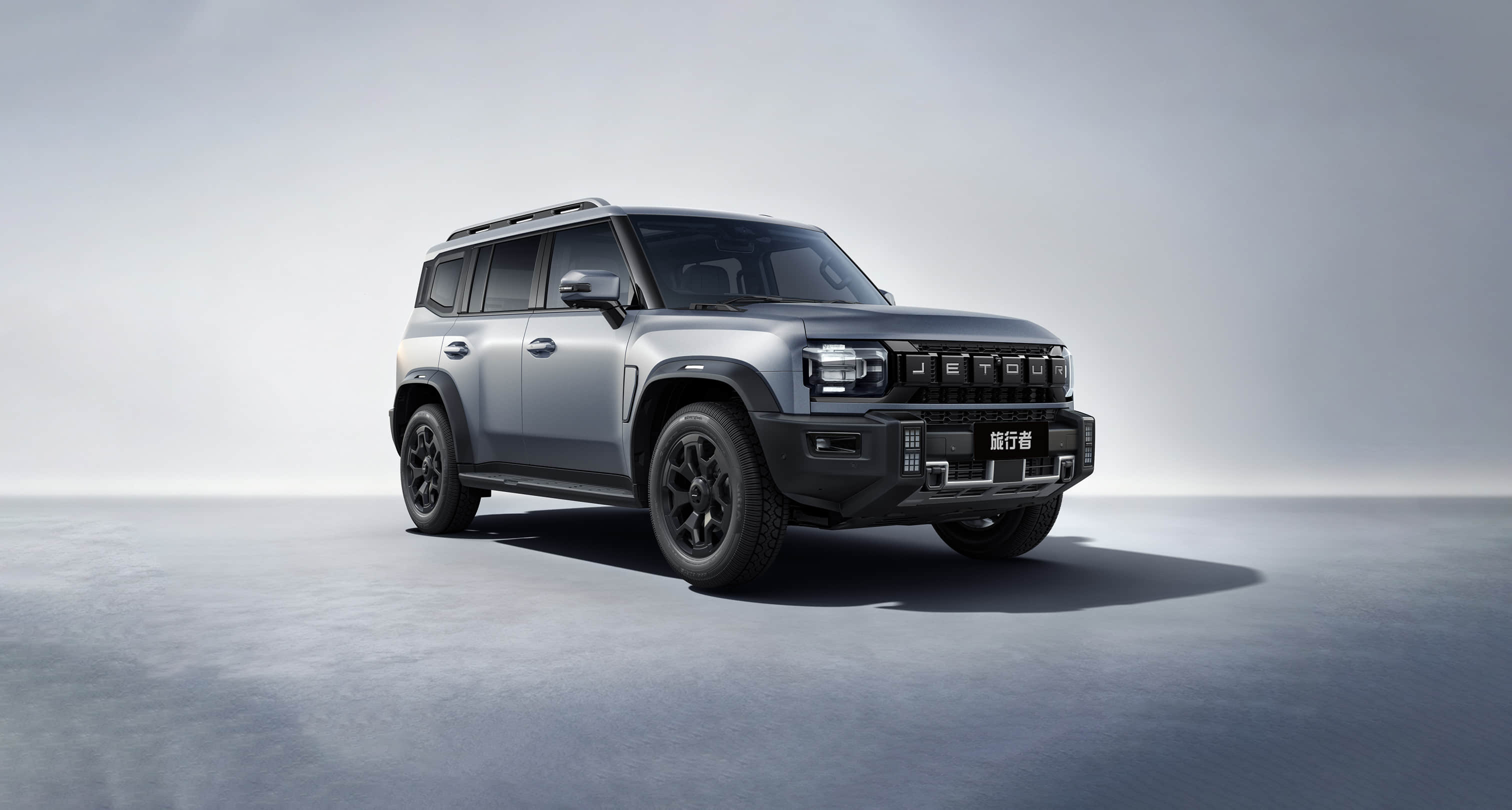
Identify the intended towing task
Describe the actual trailer, its loaded weight, coupling arrangement and the route before assessing a fitted towbar. Ask the applicable market support provider for the vehicle towing and loading documentation rather than borrowing a figure from another version. Petrol and electrified configurations may have different relevant records. Include passengers, luggage and accessories when considering the vehicle load, with coupling load treated according to the applicable limits. The T2 towing and payload guide explains the wider calculation. A towbar label supplies one part of the evidence; it cannot override a lower vehicle, trailer or legal limit.
Trace the hardware to its fitment record
Request the towbar manufacturer, model or approval identifier, fitting instructions and evidence of compatibility with the exact vehicle variant. Identify the coupling and any removable components, keys or locks that must accompany the car. An expensive branded accessory is not automatically the correct installation. Keep a photograph of the hardware label and ask the installer which parts are essential to the approved assembly. If provenance or compatibility cannot be established, treat it as an unresolved accessory rather than confirmed value. Do not promise that a China-market fitting is accepted by the destination authority without an appropriate local assessment.
Inspect attachment and alteration evidence
Have a competent inspector examine mounting points, fasteners, corrosion, deformation and any drilled, cut or welded areas against the relevant fitting scope. Do not infer safety from a freshly painted bracket or a short pulling demonstration. Ask whether the installation has affected protective panels, exhaust clearance, battery-related areas on an electrified candidate or servicing access. The T2 underbody and accident checks should preserve related structural observations. A visible modification does not prove damage, but undocumented consequential alterations need assessment before approval. Do not position anyone underneath a car supported only by a jack to obtain photographs.
Test wiring through a supported procedure
Identify the connector arrangement, harness and any required control interface for the actual installation. Use a competent operator and appropriate test equipment to verify the intended trailer-light functions and check for warnings or improvised wiring. Avoid teaching bypasses of protection or connecting unknown devices to prove a point. Ask whether installation instructions require coding or another supported procedure and obtain its completion record where applicable. Record water damage, loose connections and unsecured cable routes for assessment. The 12V and accessory inspection guide helps keep aftermarket electrical loads separate from normal vehicle operation.
Confirm destination acceptance and support
Ask the destination registration specialist and insurer what evidence is needed for this exact combination. Requirements and accepted approvals may vary, so do not assume permission follows the car across borders. Identify who can supply replacement coupling parts and service the harness locally. If removal is proposed, obtain a restoration scope that covers affected body, wiring and protective components rather than simply deleting the accessory from the invoice. Carry the confirmed installation or removal cost into the T2 landed-cost comparison. Keep unresolved acceptance distinct from an otherwise successful mechanical inspection.
Approve the complete installation boundary
The buyer record should identify the VIN, intended trailer, vehicle limits, accessory compatibility, inspection outcome, wiring test and destination acceptance. State what was checked and which tasks remain for a named professional. Reopen the decision after a trailer change or candidate substitution. For a used car, include any evidence of previous heavy trailer use in the powertrain inspection where relevant, without treating towbar presence as proof of abuse. The purchase should be judged on documented suitability and condition, not on a general statement that the T2 looks capable enough to tow.
Example: useful equipment with incomplete evidence
Consider a car advertised with a fitted towbar that the buyer wants for regular trailer use. The seller demonstrates the rear socket but has no compatibility or attachment record. The lighting result is useful, yet it does not settle the mechanical or destination questions. Request the installation documentation and a competent assessment before valuing the accessory. If those checks cannot be completed economically, compare a standard candidate and a supported local installation. Do not treat the existing towbar purchase price as a saving until the complete usable and accepted package is established.
Buyer checklist
- Trailer task and vehicle limits defined
- Hardware identity and fitment established
- Attachment areas professionally assessed
- Wiring demonstrated safely
- Destination acceptance recorded
Buyer questions
Does a fitted towbar prove the T2 may tow my trailer?
No. Verify vehicle limits, installation compatibility, trailer loading and destination acceptance together.
Can I value the accessory before its paperwork is available?
Keep its value unresolved until compatibility, condition and the usable service route are established.
Manufacturer references
Jetour T2 market specification reference ↗Continue with the towing payload guide and accident flood underbody checks.