
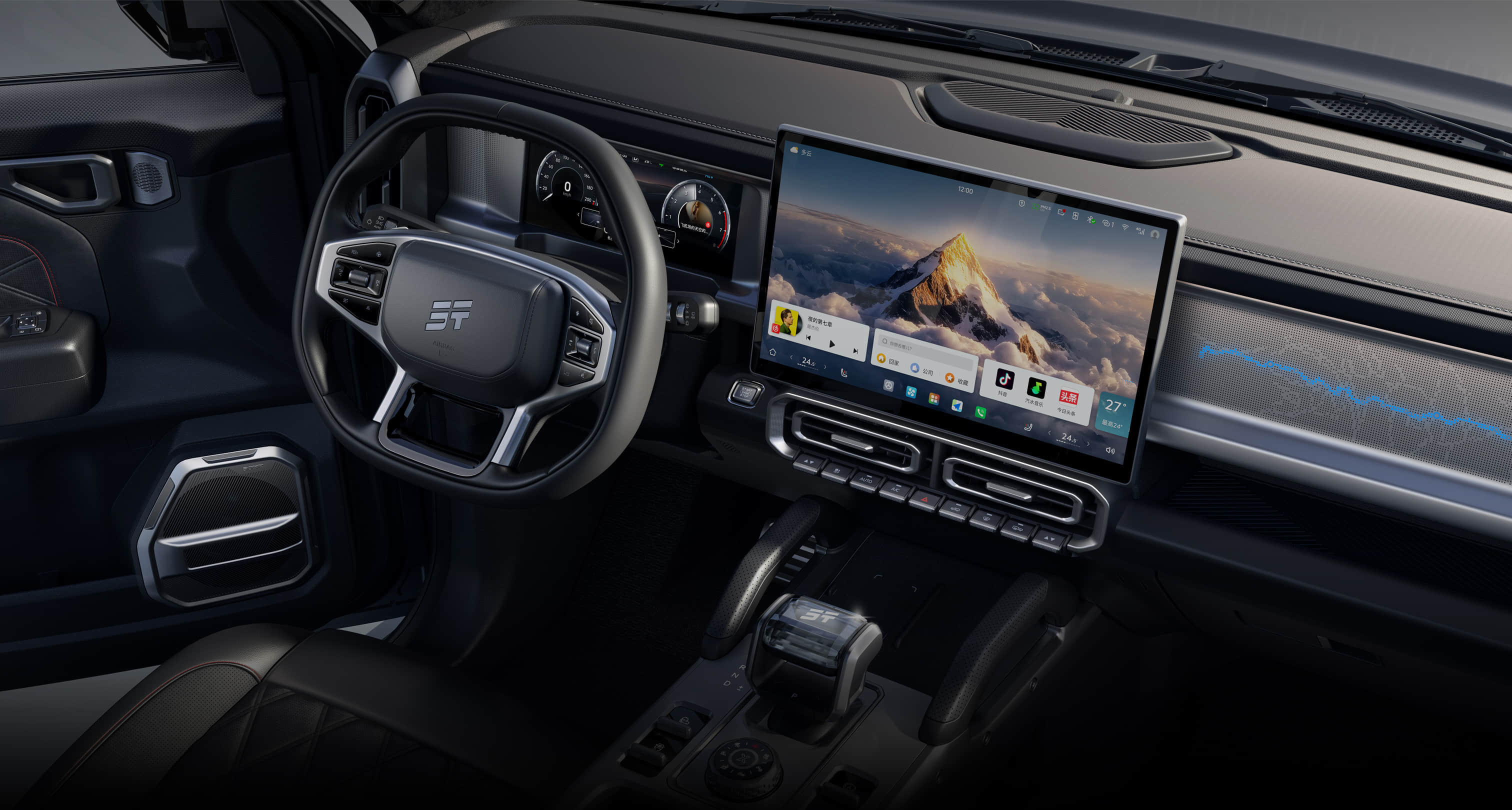
Assess a Jetour T2 i-DM or Traveller C-DM through battery identity, diagnostics, enclosure condition and a controlled charge test. Connector appearance and displayed range are not substitutes for destination-compatible evidence.
Identify the exact PHEV battery
Identify the precise PHEV before using any battery or range figure. Jetour’s current China page for the 2026 Traveller C-DM advertises a 43.24 kWh battery and 212 km CLTC electric range for a named configuration; those claims do not prove another market version, production batch or used vehicle. Record model code, build date, battery label, inlet and official market sheet, then treat usable range as a separate road question covered by the fuel-economy and range guide.
Collect diagnostic and charging evidence
Request a high-voltage diagnostic report, available state-of-health and cell-balance data, fault history, thermal alerts and charging records. Inspect the battery enclosure and underside for impact, deformation, corrosion, water or repair. Conduct a controlled charging session that records supply type, starting state of charge, power over time, interruptions, taper, energy delivered, temperature and connector release. Confirm every supplied cable by label and condition.
Prove destination charging compatibility
A connector that physically fits may still fail on voltage, signalling, earthing, current limits, network authentication or software region. Domestic charging benefits, wallboxes and warranty offers do not automatically transfer with an independently exported vehicle. Carrier battery declarations and state-of-charge limits can also apply. Confirm destination installation, public-network access, high-voltage workshop capability and safe parts routes before purchase.
Approve one used or new candidate
Compare a used candidate’s diagnostic and charging evidence with its age, mileage and underside condition. Pause for unexplained isolation, thermal or cell-balance faults, repeated charge interruption, water evidence or refusal to provide a test. Price a compatible wallbox, installation, cables, first diagnostic review and any correction. Link unresolved service exposure to the maintenance and parts plan.
Build the VIN-linked record
The approval record should show what established exact i-dm version, who reviewed battery identity and which evidence supports diagnostic evidence. List missing material explicitly; silence in a report is not a passed test.
Common approval mistakes
Avoid combining different years, markets or powertrains in one informal comparison. Do not turn “not checked” into “working,” and do not let a discount close uncertainty about destination compatibility or high-voltage support.
Close the decision
Finish T2 i-DM battery health and charging compatibility with a pass, hold or reject status. A hold must name the next action for battery identity or destination compatibility; a rejection should preserve the reason so the next shortlist does not repeat it. Approval means the buyer has consciously accepted any remaining limits, not that every uncertainty disappeared.
Independent review for T2 i-DM battery health and charging compatibility
Ask a workshop to price the consequence of a failed battery identity check. Ask the destination adviser how destination compatibility affects release or registration. Finally, confirm with the buyer whether controlled charge test meets the intended job. These answers give T2 i-DM battery health and charging compatibility a practical rather than promotional boundary.
Arrival controls for T2 i-DM battery health and charging compatibility
The arrival checklist should repeat only the high-impact items: identity, loading condition, warning status, keys and the evidence behind diagnostic evidence. Complete the first service or conformity action before demanding use, and update the candidate file with actual high-voltage support expenditure.
Jetour T2 i-DM / Traveller C-DM Battery and Charging Guide: approval checklist
Mark each item confirmed, unresolved or rejected and retain its evidence under the candidate VIN.
- Exact i-DM version
- Battery identity
- Diagnostic evidence
- Controlled charge test
- Destination compatibility
- High-voltage support
Primary references
These manufacturer pages establish context; actual specifications remain market-, year- and VIN-dependent.
Official Jetour Global T2 i-DM page ↗Official 2026 Traveller C-DM page ↗Buyer questions about T2 i-DM battery health and charging compatibility
Does displayed electric range prove battery health?
No. Temperature, recent use and software affect the display; use diagnostics, charging behaviour, thermal data and physical inspection.
Will a China-market charging cable work abroad?
Do not assume so. Verify connector, labels, voltage, phase, current, certification and local installation requirements.
What should stop a used PHEV purchase?
Pause for serious or unexplained battery faults, enclosure damage, water evidence, unsafe charging behaviour or missing identity records.