
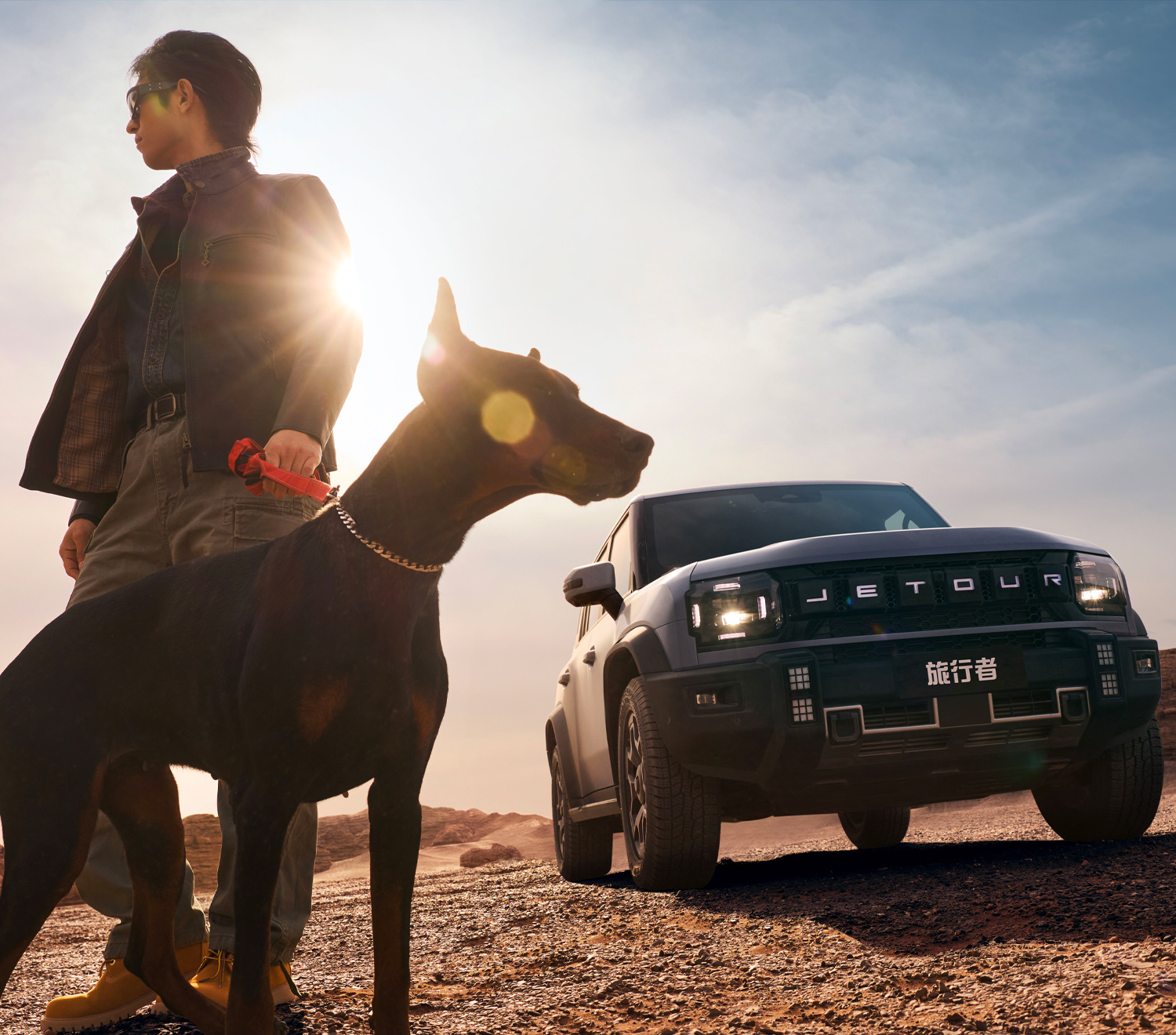
The buyer question is the petrol-or-PHEV ownership choice. Start with the candidate facts below and reject any comparison that cannot be tied to a VIN, market and destination.
Decide the petrol-or-PHEV ownership choice
Choose petrol where charging is uncertain and familiar engine/transmission support matters. Consider i-DM where compatible charging, battery service and suitable daily routes are established. Neither is universally safer. Use the fuel-economy and real-world range guide to compare both powertrains on the same routes rather than on unrelated brochure cycles.
Evidence for the petrol-or-PHEV ownership choice
For petrol verify engine, transmission, emissions and 4WD hardware. For i-DM add battery identifier, diagnostics, thermal history, inlet, cable, charging test, software region and carrier declarations. For an electrified candidate, apply the dedicated i-DM battery and charging checks before valuing electric use.
Export and ownership exposure
PHEV headline range and fuel claims depend on test cycle and charging use. Petrol simplicity can still bring higher fuel costs. Destination duty or incentives may change the landed comparison.
Apply the decision to a real candidate
Model typical week, longest trip, charging availability, fuel price, annual kilometres and workshop capability. Then stress-test the choice with failed home charging or a delayed high-voltage part.
Build the VIN-linked record
File the candidate under its VIN with separate folders for identity, charging access, fuel and electricity cost and commercial records. A replacement vehicle starts a fresh file rather than inheriting the first vehicle's photographs or conclusions.
Common approval mistakes
A persuasive listing does not establish daily route, and a brochure cannot settle service support for a used or China-market vehicle. Price only the equipment and condition that the evidence proves.
Close the decision
The closing memo for the petrol-or-PHEV ownership choice should identify the selected VIN, the accepted exceptions and the source behind daily route. State whether service support was tested, documented or deliberately excluded. Reopen the decision whenever the vehicle, destination, commercial boundary or destination tax assumption changes.
Independent review for the petrol-or-PHEV ownership choice
Assign each part of the petrol-or-PHEV ownership choice to a reviewer with the right competence. The technician should evaluate charging access, fuel and electricity cost and shipping acceptance; the destination adviser should confirm the documentary or regulatory consequences; and the buyer should decide whether the remaining limits fit normal use. Keep the vehicle on hold until conflicting conclusions are resolved by dated evidence.
Arrival controls for the petrol-or-PHEV ownership choice
Prepare the first week of ownership before booking freight. Schedule the relevant inspection, identify parts or fluids connected with service support, and retain the loading record. Do not clear diagnostic history or repair transit marks until arrival condition has been compared with the China handover evidence.
Jetour T2 Petrol or i-DM: Choose the Right Powertrain: approval checklist
Mark each item confirmed, unresolved or rejected and retain its evidence under the candidate VIN.
- Daily route
- Charging access
- Fuel and electricity cost
- Service support
- Shipping acceptance
- Destination tax
Primary references
These manufacturer pages establish context; actual specifications remain market-, year- and VIN-dependent.
Official Jetour Global T2 i-DM page ↗Official Traveller C-DM page ↗Buyer questions about the petrol-or-PHEV ownership choice
Is T2 i-DM fully electric?
No. It is a plug-in hybrid family; verify the exact version and battery.
Is petrol easier to export?
It can simplify battery shipping, but all document and destination checks still apply.
Which costs less to own?
That depends on route, charging, energy prices, service and landed cost.