
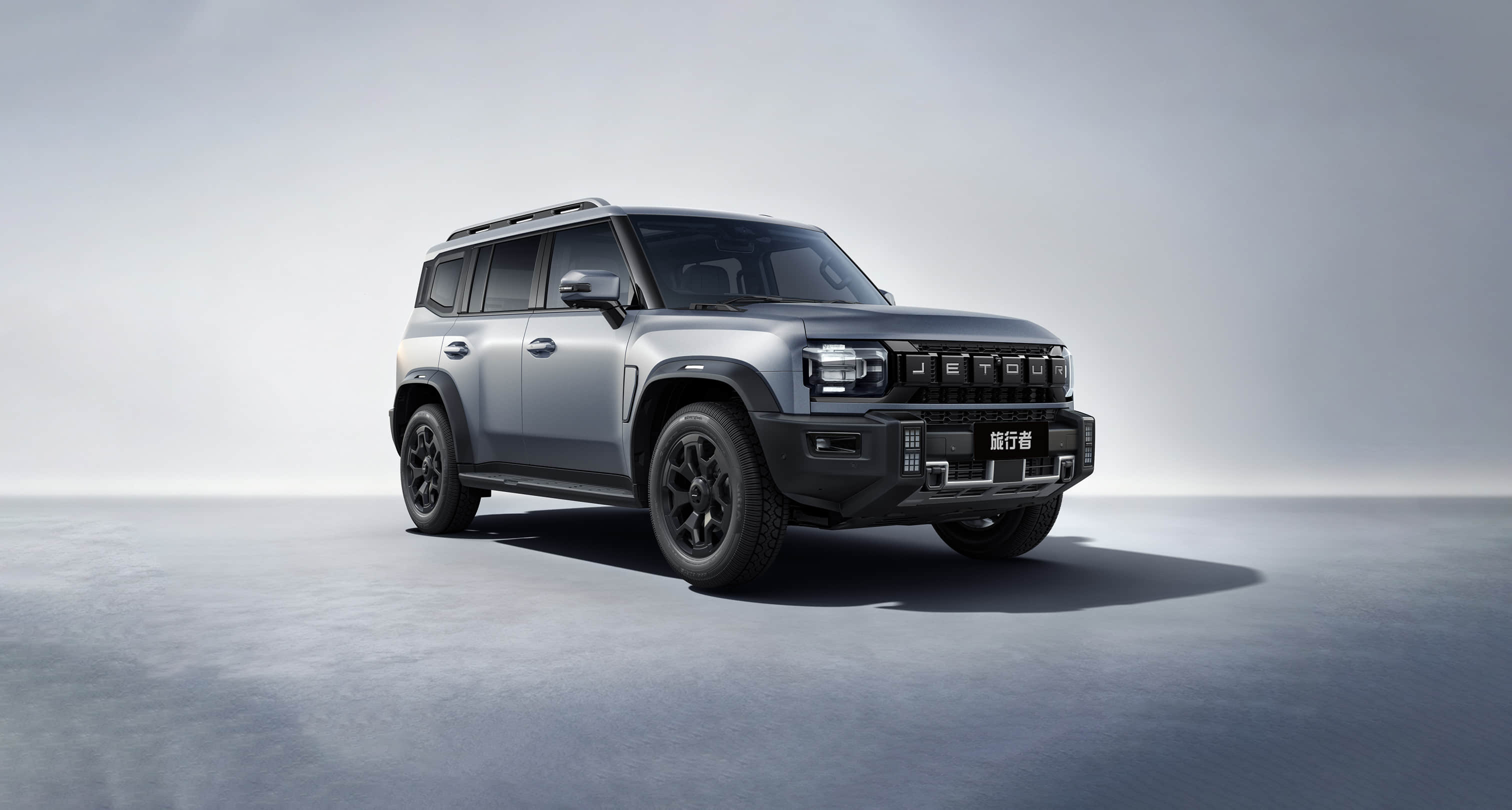
For the T2-versus-Dargo decision, first define what a pass looks like. Then compare the actual vehicle with that standard using documents, inspection media and destination advice.
Decide the T2-versus-Dargo decision
Select exact model years and market configurations. Both names can cover different engines, drivetrains and equipment internationally, so general model comparisons are weak purchase evidence.
Evidence for the T2-versus-Dargo decision
Compare official documents, VIN hardware, tyre size, driver assistance, language, connectivity, parts and inspected condition. Use the same shipping and registration boundary.
Export and ownership exposure
A familiar local dealer network may outweigh a small equipment advantage. Conversely, a better documented used candidate can beat a theoretically stronger model with unclear history.
Apply the decision to a real candidate
Ask workshops and parts suppliers about each exact powertrain. Then test seating, luggage, visibility, road noise and intended terrain instead of choosing by exterior style.
Build the VIN-linked record
Keep one dated decision log. Each entry should identify the source, vehicle, finding and next action for market versions, powertrain and 4wd, cabin utility. Attach commercial evidence separately so technical acceptance is not rewritten by negotiation.
Common approval mistakes
The common shortcut is treating a model-level fact as candidate proof. Verify market versions physically and on records, qualify local service by destination, and exclude any unconfirmed feature from the value calculation.
Close the decision
Before this file advances, reconcile market versions with the vehicle and its documents, and price any unresolved cabin utility consequence. Record who controls registered cost after arrival. If the answer exists only in an informal message, move it into the dated approval record or leave the candidate on hold.
Independent review for the T2-versus-Dargo decision
A broker, technician and owner should be able to reach the same identity conclusion even if they value the vehicle differently. Give each person the material relevant to powertrain and 4wd, condition evidence and cabin utility. Reconcile terminology before contract wording is final.
Arrival controls for the T2-versus-Dargo decision
Before departure, name the person who will check local service and the budget holder for registered cost. At destination, compare the odometer, warning state, body and included items with the loading report before custody changes again.
Set a documented release boundary
Turn the T2-versus-Dargo decision into a release decision with three states: confirmed, unresolved or rejected. For every confirmed item, retain the source and date under the VIN. For every unresolved item, name the exact document, photograph, diagnostic result, measurement or destination opinion still required, together with the person responsible and a deadline before payment or loading. Keep technical condition separate from the quotation so a price change cannot silently erase a safety, identity or compliance concern.
Before authorising shipment, repeat the high-impact evidence for market versions, powertrain and 4wd, cabin utility and reconcile it with the contract description. Confirm who controls local service, condition evidence, registered cost after arrival and include any known cost in the landed budget. If the vehicle, seller, mileage, software state or delivery boundary changes, reopen the affected checks instead of carrying an earlier approval forward.
Jetour T2 vs Haval Dargo: Which Fits Your Market?: approval checklist
Mark each item confirmed, unresolved or rejected and retain its evidence under the candidate VIN.
- Market versions
- Powertrain and 4WD
- Cabin utility
- Local service
- Condition evidence
- Registered cost
Buyer questions about the T2-versus-Dargo decision
Are T2 and Dargo direct equivalents?
They overlap in use, but exact construction, hardware and market support must be compared.
Which has better resale?
That depends on destination recognition, support, specification and future condition.
Can brochure equipment decide the choice?
No. Use the actual candidate and buyer’s task.