
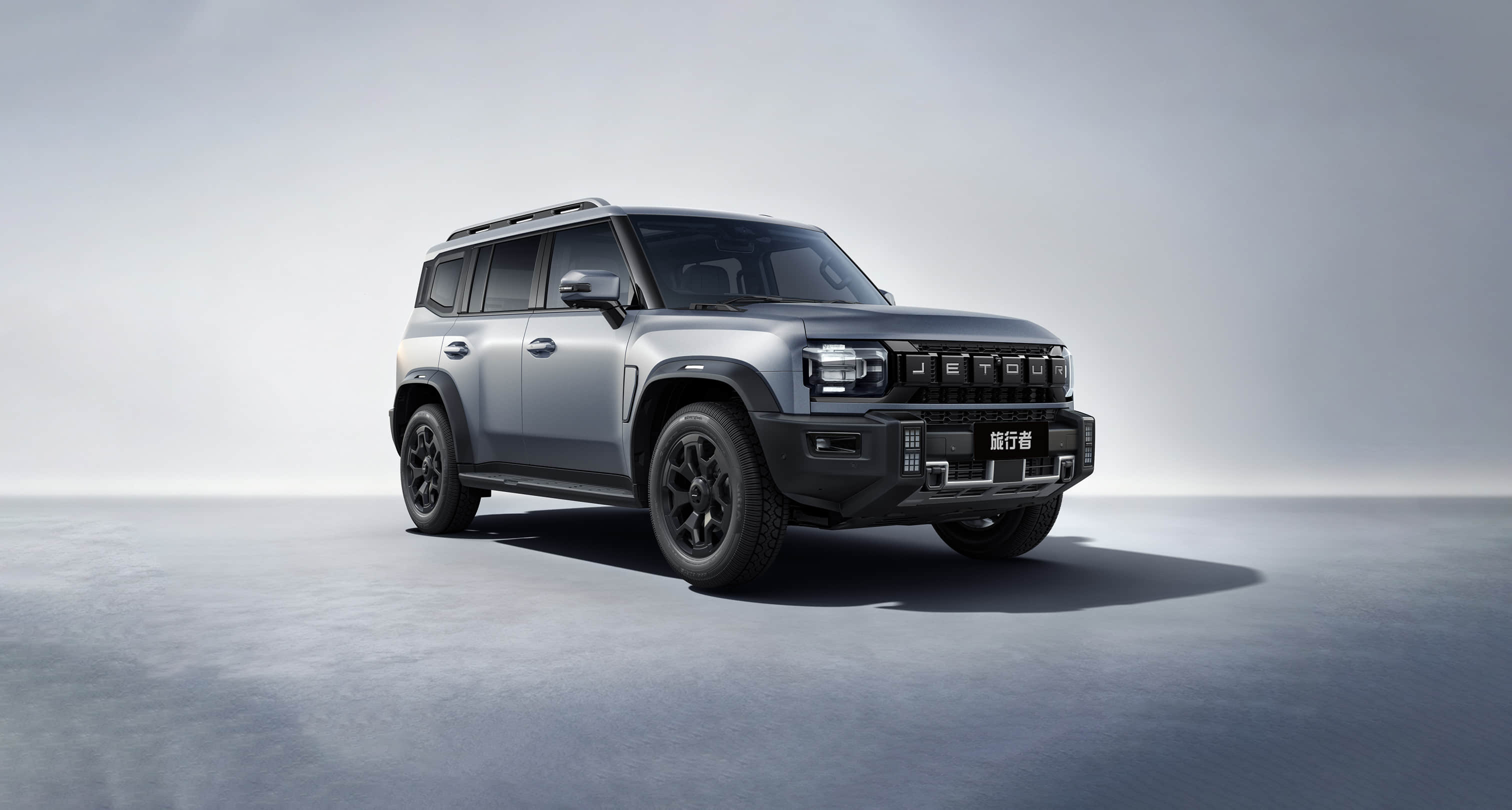
Verify the actual drive arrangement
Request the full specification and production record, then identify the fitted drive hardware with suitable evidence. The 4WD assessment guide handles technical and safe functional checks. Global T2 information distinguishes named configurations and notes regional variations; it cannot assign one arrangement to every used Traveller. Do not infer a low-range system, locking mechanism or rear-drive capability from an exterior photograph. Keep conventional petrol and plug-in drive-package choices separate. A system advertised as intelligent still needs a clear identity and operating instructions before its capabilities or purchase premium can be assessed responsibly.
Describe the route instead of valuing an image
List paved use, gravel, seasonal surfaces, gradients, remoteness and the support available. Ask qualified professionals which equipment is appropriate for the actual task. A rare challenging trip should not automatically dictate every kilometre of ordinary commuting, but an essential traction requirement should not be dismissed to secure a cheaper car. Record actual passengers and loads. Do not request dangerous water or terrain demonstrations to prove suitability. Four-wheel drive does not remove the need for appropriate tyres, driver competence and recovery planning. The premium should solve a named requirement, not reward the box-shaped styling or the most dramatic promotional video.
Inspect condition and previous use independently
Review body and underbody evidence, tyres, driveline observations and relevant service history. The accident and underbody guide separates factory capability from current condition. An equipped vehicle is not automatically abused, and a tidy two-wheel-drive vehicle is not automatically sound. Record modifications and access limitations rather than treating protective parts as proof of damage-free operation beneath them. If a drive function or warning is unexplained, obtain suitable diagnosis before pricing the car as a healthy 4WD example. A strong factory equipment list cannot compensate for a material structural or support uncertainty that should stop the purchase.
Include tyres, loading and support in the comparison
The tyre and wheel checks establish compatibility; the all-terrain package value guide assesses useful equipment premiums. More traction hardware does not increase the vehicle’s approved payload or towing limit automatically. Use the loading record for its separate approval scope. Ask the receiving workshop about exact drive-system components and service access. Do not assume a shared engine makes all drivetrain parts interchangeable. A task-specific benefit remains valuable only when the complete tyre, mass, operating and support arrangement is coherent for the candidate and destination.
Compare prices on the same readiness boundary
Put both offers on the same identified specification, inspection, essential preparation and delivery basis. The price guide prevents a bare vehicle amount from being compared with a prepared delivered offer. Separate other trim equipment so the entire price difference is not attributed to 4WD. Add diagnosed work and required supported tyres using actual estimates. If a lower-priced candidate would need an unsupported drivetrain conversion to satisfy the task, it is not an equivalent alternative. Conversely, paying for unused hardware can be an optional preference, but it should not be presented as necessary for every buyer simply because it is available.
Make the value decision explicit
Prefer the acceptable 2WD package when it demonstrably meets the buyer’s ordinary use and essential support needs. Choose verified 4WD when its task benefit justifies the complete premium. Reconsider both if critical equipment, condition or destination acceptance remains unresolved. Use the ownership-cost worksheet with credible inputs and no guaranteed resale advantage. Retain the accepted configuration by VIN and repeat the review if the seller substitutes a car. This is a purchasing-value decision, not operating advice or a universal claim that either arrangement is safer, more reliable or able to negotiate every difficult surface.
Compare the acceptance conditions
- Proceed when
- Prefer an acceptable two-wheel-drive candidate when it genuinely meets ordinary use and the complete premium buys no essential task benefit.
- Investigate when
- Investigate hardware and operating limits when a mode menu or badge is the only evidence of the advertised drive arrangement.
- Do not assume
- Reject unresolved structural or drive-system concerns instead of letting factory capability or a large price reduction substitute for technical approval.
Buyer evidence checklist
- Original configuration and installed hardware
- Named ordinary and terrain requirements
- Suitable condition and function evidence
- Approved loading and tyre arrangement
- Supported premium on equivalent delivery terms
Questions before you buy
Does a 4WD badge guarantee low-range or locking hardware?
No. Identify the actual installed system and its applicable instructions rather than inferring components from broad marketing language.
Should every export buyer choose 4WD?
No. Match essential terrain and ordinary use, condition and support. An unused equipment preference is not a universal requirement.
Primary and regional references
Each reference describes its own market or commercial scope; it does not identify the offered VIN or prove its condition or availability.
Jetour global T2: configuration and regional scope ↗