
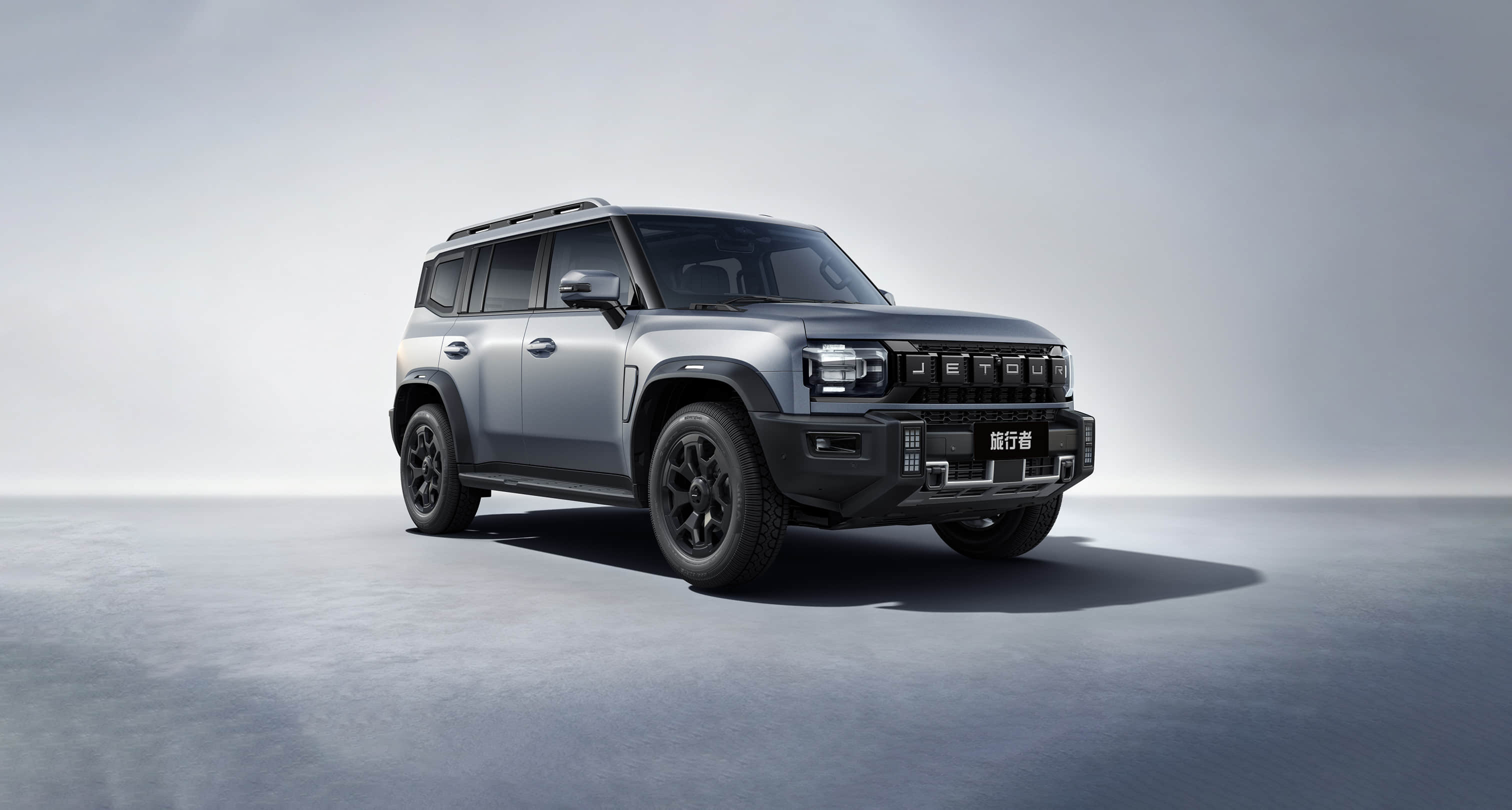
Separate factory equipment from subsequent work
Create a photographed configuration record identifying original equipment, dealer additions and later modifications. Request component identity, installer details and available documents without assuming an invoice proves approval. The version guide keeps special-edition or accessory branding separate from factory mechanical identity. Ask whether equipment was previously fitted and removed. A reverted appearance can leave mountings, wiring or geometry changes to assess. Do not call the car original simply because the most visible accessories are absent. Keep the quote tied to the actual configuration that will be handed over rather than whatever photograph makes its equipment list most attractive.
Value each addition against a real use case
List the must-have tasks and distinguish optional preferences. Roof equipment, lighting, aggressive tyres, protection and towing accessories can be useful to one buyer and inconvenient to another. The all-terrain tyre value guide addresses a specific package decision. Do not add the seller’s retail accessory bill to the car value automatically. A documented useful package can save sensible preparation, but unwanted or unsupported items may add work instead. Keep changes that affect daily parking, passenger use or ordinary servicing visible. The purpose is not to maximise the number of accessories but to buy a configuration that naturally meets the intended brief.
Inspect concealed areas and installation context
Ask a qualified assessor to record appropriate underbody, body, mounting and electrical findings, including areas hidden by guards, racks or coatings. Use the underbody evidence file rather than treating protective equipment as proof of undamaged structure. Do not dismantle unfamiliar or hazardous systems merely for a sales demonstration. Identify where additional assessment is required and preserve access limitations. A neat appearance or branded component does not establish correct integration. Material structural, geometry or wiring questions should be resolved before the package is valued as ready; a low price cannot independently approve the condition or legality of an unsupported installation.
Check loading and support for the complete configuration
The roof-rack and tent checks and towing and payload guide provide separate approval scopes. Accessories consume allowance and do not automatically raise the vehicle’s limits. Ask receiving workshops about actual component supply, diagnostics and any installation-specific service needs through the VIN parts route. If electronics or original operating functions were altered, obtain qualified assessment rather than accepting a seller’s promise of compatibility. Do not infer destination registration approval from the fact that the previous owner used the setup for years. Appropriate local requirements and the actual installed configuration remain separate acceptance questions.
Price retaining, correcting or removing equipment
Obtain complete estimates for essential corrections and any planned reversal, including labour and related finishing or setup where applicable. Removing visible hardware may not restore original mountings, wiring or geometry. Use the inspection-led negotiation file to distinguish diagnosis from speculative cheap repairs. If the supplier proposes to return the car to stock, specify the supported finished configuration and require suitable reassessment. Keep optional cosmetic work separate from essentials. Compare another actual vehicle on the same readiness and delivery basis so the buyer can see whether the accessory package creates usable value or merely makes the headline price look more generous.
Specify what will arrive and choose documented usefulness
Name wheels, spare, racks, charging or recovery items and removable equipment in the purchase schedule. Confirm documents and support that actually transfer, and obtain carrier answers for dimensions or protruding equipment where relevant. Prefer an acceptable ordinary package when it meets the brief with fewer unresolved responsibilities. Choose the modified vehicle when useful installations and complete cost justify it. Record accepted limitations and reassess a changed VIN or removed item. This is a value decision for one identified T2, not a claim that all modifications are harmful or that every stock-looking car has an uncomplicated past.
Compare the acceptance conditions
- Proceed when
- Value modifications that solve the buyer’s actual tasks and have understandable installation, condition, load approval and service evidence.
- Investigate when
- Price a supported correction or removal option where the equipment is unnecessary, remembering that visible removal may leave related work.
- Do not assume
- Reject material structural, geometry or integration questions that cannot be resolved; original accessory spending is not evidence of an acceptable installation.
Buyer evidence checklist
- Original and later equipment separated
- Accessories tied to real buyer tasks
- Qualified findings and hidden areas recorded
- Complete correction or removal estimates
- Delivered package and support specified
Questions before you buy
Should accessory retail spending be added to the vehicle price?
Not automatically. Value depends on usefulness, installation, condition, support and the cost of acceptable alternatives.
Does removing a rack or lift restore factory condition?
Not necessarily. Remaining mountings, wiring, geometry and related changes need appropriate review before accepting a stock-equivalent claim.