
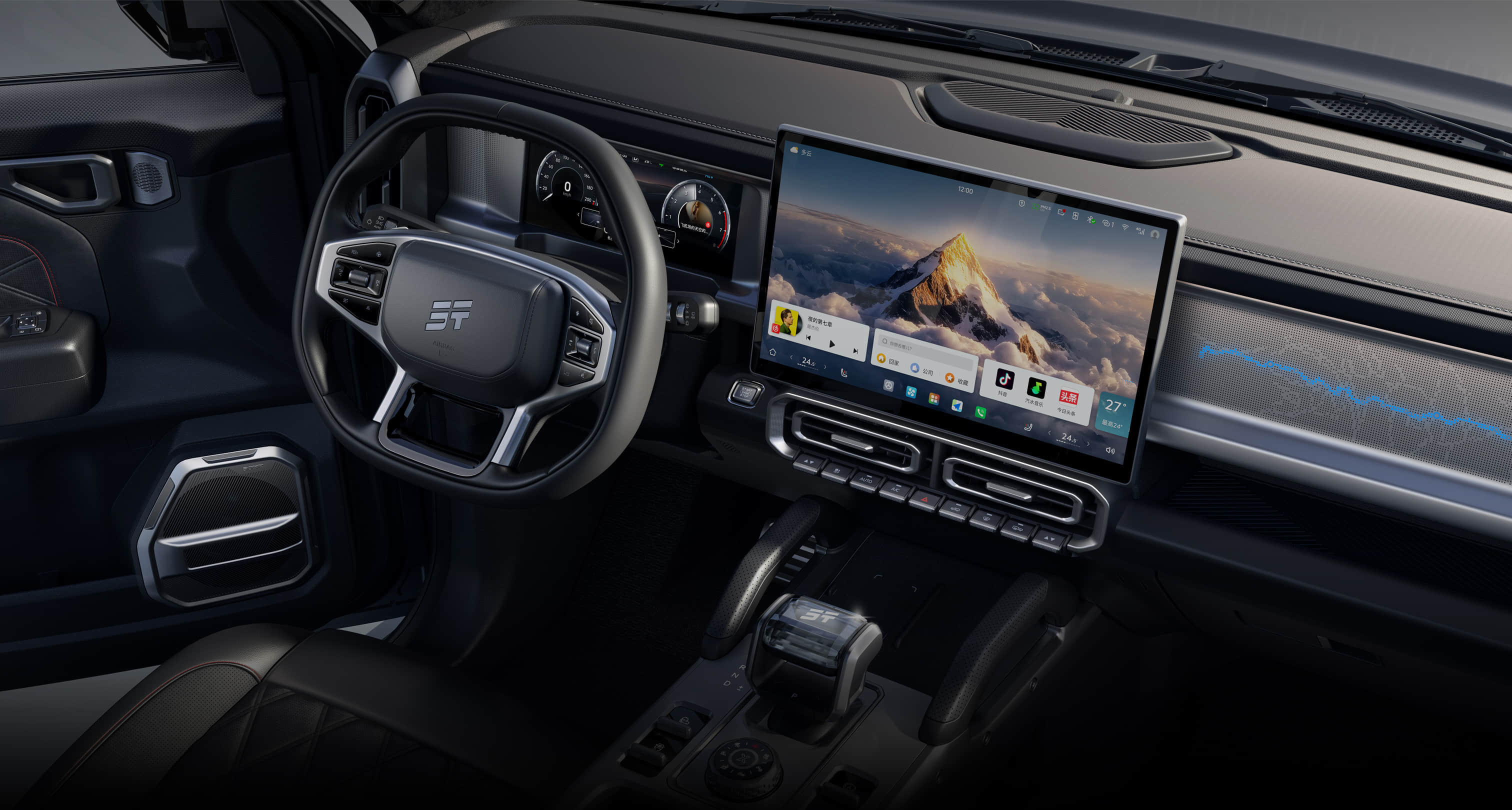
Keep the extended body separate from the ordinary offer
Request full model designation, original-market documents, production and approved seating for both candidates. The names and versions file should record the Plus or other applicable suffix explicitly. Do not use ordinary T2 exterior dimensions or photographs as proof of the extended candidate. A shared family name does not establish identical equipment, body parts or movement requirements. Keep petrol and plug-in arrangements separately identified. The China manufacturer reference establishes its named extended product, not the seller’s actual stock or destination acceptance. If the quoted name and seating records conflict, resolve the mismatch before valuing the extra passenger capacity.
Test the passengers who will actually travel
Set the front and middle-row positions appropriately, then assess rear entry, seating use and restraints with the intended occupants. The child-seat and family-access guide provides a practical baseline with the actual vehicle’s own instructions. A car may physically seat people without comfortably satisfying a particular long journey. Do not assume every row has the same child-restraint provisions or usable access. Record the test and limitations where physical viewing is unavailable. If extra seats are only occasionally required, compare a realistic alternative rather than letting an imagined maximum passenger count automatically justify the larger purchase.
Measure luggage with the required seats occupied
Use the same bags, stroller or touring objects in both vehicles. The boot and camping guide distinguishes usable arrangements from a maximum folded-seat volume. A large cargo figure with rear rows down does not answer seven occupants travelling with luggage. Confirm what can be carried within relevant legal and physical limits through the payload file. Do not resolve inadequate occupied-seat storage with an unverified roof-load assumption. If the buyer needs both additional people and substantial equipment, have the complete arrangement assessed before treating extra seats as the whole solution to the touring task.
Trial parking, rear access and daily use
Measure driveway entry, parking and the space needed to operate the rear door with actual spare-wheel or accessory arrangements. Use the garage and rear-door guide rather than assuming a nominal bay length proves practical access. Consider passenger entry beside adjacent vehicles and the ordinary loading routine. A longer body may solve one task while complicating another, so evaluate both in the same brief. Cameras can assist observation but do not create clearance. Record actual dimensions and equipment for shipping as well; the smaller vehicle’s carrier assumptions cannot automatically approve an extended car in its delivered configuration.
Compare condition and destination support
Require appropriate identity and inspection evidence for both actual cars, with used history and energy-system scope where relevant. The inspection file is not approval from a seat count alone. Ask local workshops about body, cabin, restraint and other configuration-specific parts through the VIN service route. Confirm destination registration and any warranty with the responsible professionals. A domestic seven-seat offering is not universal import approval. Keep the extended body’s actual support needs visible, especially where local service familiarity concerns ordinary T2 variants rather than every later Traveller-family version advertised under similar English names.
Pay for demonstrated passenger usefulness
Normalise preparation, movement and usable destination readiness through the price guide and landed-cost file. Choose the ordinary configuration when its approved seats and load meet the real task naturally. Pay for the extended vehicle when the additional passenger arrangement, access and support justify the complete premium. Reject unresolved approval or practical-fit gaps rather than assuming another seat row can fix every family requirement. Preserve the accepted body and seating record in the purchase schedule. Reassess any substitute VIN instead of carrying a seven-seat approval across a broad T2 badge.
Compare the acceptance conditions
- Proceed when
- Pay for the extended arrangement when actual passengers, restraints, luggage and approved loads fit and local support is established.
- Investigate when
- Obtain a full occupied-seat trial when extra seats are advertised but the required bags or passengers have not been tested.
- Do not assume
- Reject a seven-seat claim that conflicts with the actual body or approval record, even if photographs appear convincing.
Buyer evidence checklist
- Exact body and approved seat record
- Actual passenger and restraint trial
- Luggage with required rows occupied
- Daily entry and rear-door clearance
- Body-specific support and delivered-value comparison
Questions before you buy
Does the T2 name mean every car has seven seats?
No. Confirm the actual body, production and approved seating. The ordinary global table and China extended Traveller information describe separate configurations.
Does maximum cargo volume show luggage space with seven people aboard?
No. Measure the actual occupied-seat load case and confirm mass limits separately from folded-seat brochure capacity.
Primary and regional references
Each reference describes its own market or commercial scope; it does not identify the offered VIN or prove its condition or availability.
Jetour China extended Traveller product context ↗Global ordinary T2 specification context ↗